Dental anxiety affects millions of people worldwide, often preventing them from seeking the care they need. The fear of pain, discomfort, or loss of control during dental visits can create a barrier to maintaining oral health. Fortunately, gentle dentistry offers effective ways to help patients overcome these fears. By combining sedation options, a calming office environment, and a compassionate team approach, dental practices can transform anxious visits into positive experiences.
This post explores how gentle dentistry strategies work to ease dental anxiety and improve patient comfort, providing practical insights for anyone who feels nervous about dental care.
Understanding Dental Anxiety and Its Impact
Dental anxiety ranges from mild unease to severe phobia. It can stem from past negative experiences, fear of needles or drills, or concerns about pain. This anxiety often leads to avoidance of dental visits, which increases the risk of untreated dental problems and worsens oral health over time.
Patients with dental anxiety may experience:
- Rapid heartbeat or sweating before or during appointments
- Difficulty sitting still or cooperating during procedures
- Avoidance of routine checkups and cleanings
- Increased sensitivity to pain due to heightened stress
Recognizing these signs helps dental teams tailor their approach to each patient’s needs, ensuring care is both effective and comfortable.
Sedation Options That Help Patients Relax
One of the most effective ways to reduce anxiety during dental visits is through sedation. Gentle dentistry offers several sedation methods that help patients feel calm and relaxed without losing consciousness.
Nitrous Oxide (Laughing Gas)
Nitrous oxide is a mild sedative inhaled through a small mask placed over the nose. It works quickly to reduce anxiety and promote relaxation while allowing patients to remain awake and responsive. The effects wear off soon after the mask is removed, making it a safe and convenient option.
Benefits of nitrous oxide include:
- Rapid onset and quick recovery
- Minimal side effects
- Adjustable sedation level during treatment
- Suitable for children and adults
Patients often describe feeling light-headed or euphoric, which helps distract from dental procedures and reduces fear.
Oral Sedation
Oral sedation involves taking a prescribed medication, usually in pill form, before the appointment. This method produces a deeper state of relaxation than nitrous oxide but still allows patients to remain conscious. The medication typically takes effect within 30 to 60 minutes and lasts several hours.
Key points about oral sedation:
- Helps patients with moderate to severe anxiety
- Requires someone to drive the patient home after treatment
- May cause drowsiness or mild amnesia of the procedure
- Dosage tailored to individual needs
Oral sedation can make longer or more complex dental treatments manageable for anxious patients.
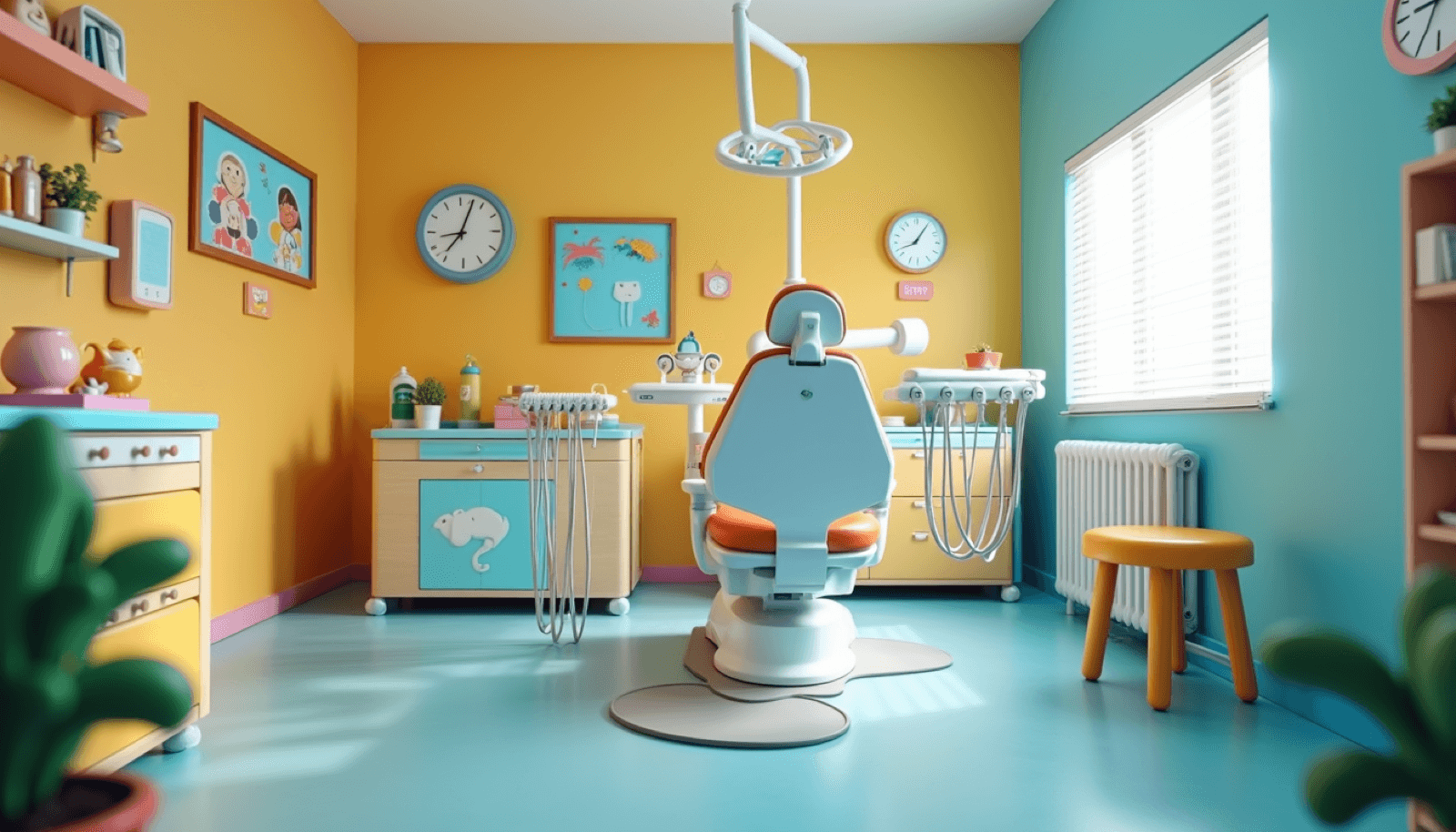
!Eye-level view of a dental treatment room with soft lighting and comfortable seating
Creating a calming office environment helps patients feel safe and relaxed during their visit.
Designing a Calming Office Environment
The physical space of a dental office plays a crucial role in reducing anxiety. Gentle dentistry practices focus on creating an atmosphere that feels welcoming and peaceful from the moment patients walk in.
Elements of a Calming Environment
- Soft lighting: Bright, harsh lights can increase stress. Using warm, adjustable lighting helps create a soothing ambiance.
- Comfortable seating: Waiting areas and treatment chairs designed for comfort reduce physical tension.
- Soothing colors: Walls painted in soft blues, greens, or earth tones promote relaxation.
- Quiet background music: Gentle instrumental music or nature sounds can distract from clinical noises.
- Minimal clutter: A clean, organized space feels less overwhelming and more inviting.
Some offices also offer amenities like blankets, noise-canceling headphones, or aromatherapy to further enhance comfort.
Patient-Centered Scheduling
Scheduling appointments to minimize wait times and avoid crowded waiting rooms also helps reduce stress. Offering early morning or late afternoon slots can accommodate patients’ preferences and reduce anxiety related to time constraints.
Compassionate Team Approach to Nervous Patients
Beyond sedation and environment, the attitude and behavior of the dental team significantly influence patient comfort. Gentle dentistry emphasizes empathy, clear communication, and patient involvement.
Building Trust Through Communication
- Listening carefully: Allowing patients to express their fears and concerns without judgment builds trust.
- Explaining procedures: Using simple language to describe what will happen helps reduce uncertainty.
- Setting expectations: Discussing the steps and duration of treatment prepares patients mentally.
- Encouraging questions: Inviting patients to ask questions empowers them and reduces fear of the unknown.
Techniques to Support Anxious Patients
- Signal systems: Agreeing on hand signals allows patients to pause treatment if they feel overwhelmed.
- Slow pacing: Taking breaks and working at a comfortable speed helps patients stay calm.
- Positive reinforcement: Praising patients for their cooperation boosts confidence.
- Consistent care: Seeing the same dental team members regularly builds familiarity and comfort.
This compassionate approach transforms dental visits into collaborative experiences rather than stressful ordeals.
Practical Tips for Patients to Manage Dental Anxiety
Patients can also take steps to prepare for dental visits and reduce anxiety:
- Practice deep breathing: Slow, deep breaths calm the nervous system.
- Bring a support person: Having a trusted friend or family member can provide reassurance.
- Listen to music or podcasts: Distraction helps shift focus away from fear.
- Schedule shorter appointments: Breaking treatment into smaller sessions can feel less overwhelming.
- Discuss sedation options: Talking openly with the dentist about sedation helps find the best fit.
Combining these strategies with gentle dentistry techniques creates a supportive environment for overcoming anxiety.
Moving Forward with Confidence
Dental anxiety should not prevent anyone from receiving quality oral care. Gentle dentistry offers a range of tools and approaches that prioritize patient comfort and emotional well-being. Sedation options like nitrous oxide and oral sedation provide effective relief from fear, while a calming office environment and compassionate team build trust and ease tension.
If dental anxiety has kept you from visiting the dentist, consider reaching out to a gentle dentistry practice. Discuss your concerns openly and explore sedation choices that suit your needs. Taking this step can lead to healthier teeth and a more positive relationship with dental care.
Ready for Your Next Visit?
We’d Love to See You
Questions about anything you read here? Book a visit and Dr. Kim will walk you through it in plain English.
Request a Visit